
When a central kitchen makes sense, how indent-to-dispatch should flow, and the controls that keep taste and cost consistent across outlets.
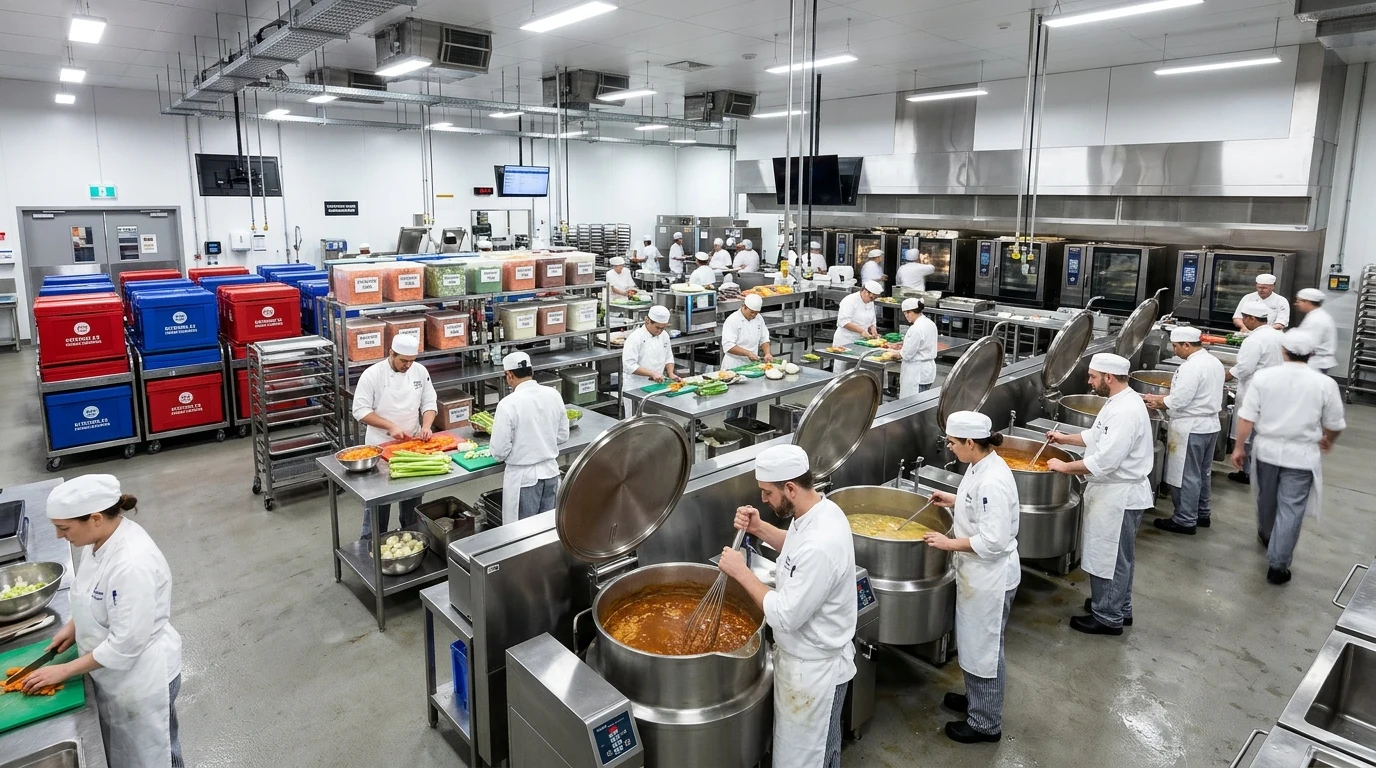
As a restaurant brand grows past a few outlets, keeping the same taste, portion and cost everywhere gets harder. A central kitchen, also called a commissary, prepares gravies, marinades, doughs, sauces and desserts in one place and sends them to outlets ready to finish. Done well, it improves consistency and margins. Done badly, it adds a layer of waste and paperwork.
When does a central kitchen make sense?
- You run several outlets in the same city with overlapping menus
- Taste varies from outlet to outlet because each kitchen preps its own base
- Outlet kitchens are small or rents are high, so prep space is expensive
- You want to open new outlets faster with less-skilled kitchen teams
- You buy the same ingredients in many places at different prices
The indent-to-dispatch flow
A central kitchen runs on a simple daily loop. The quality of each step decides whether outlets get what they need without excess.
- Outlet indent: each outlet requests items for the next day, ideally suggested from sales and par levels rather than guesswork.
- Consolidation: the central kitchen sees total demand across outlets by item.
- Production plan: demand is converted into batches and raw material requirements using standard recipes.
- Production and quality check: each batch is recorded with yield, date and expiry.
- Dispatch: items are packed per outlet with a delivery challan and transferred in the system.
- Receiving: outlets confirm what arrived, flag short or damaged items, and stock updates on both sides.

Five controls that matter most
Standard recipes and yields
Every batch recipe should state its expected yield. If 10 kg of raw onions should give 7 kg of fried onions, the system can flag any batch that comes in well below that.
Batch, date and expiry tracking
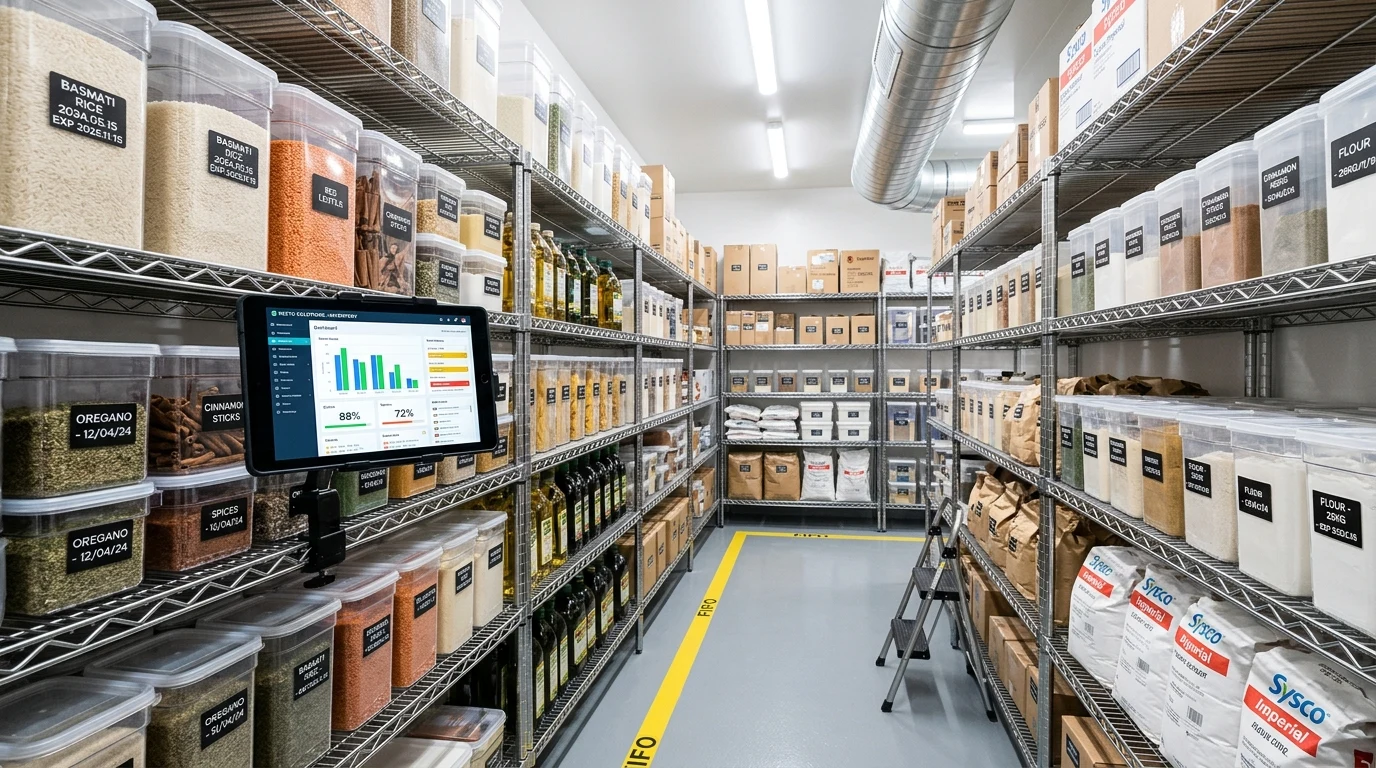
Prepared items have short shelf lives. Labelling every batch with production and expiry dates, and dispatching first-expiry-first-out, cuts both waste and food safety risk.
Transfer pricing
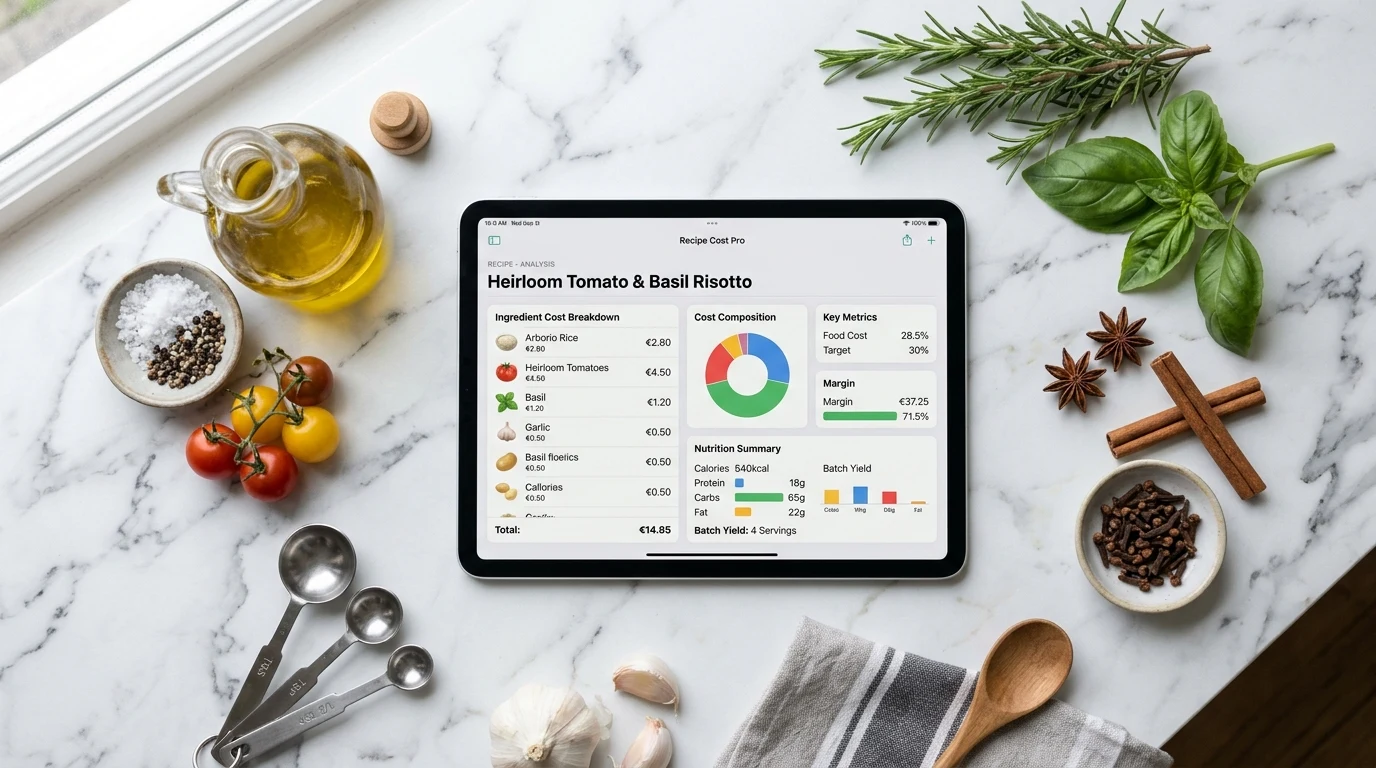
Charge outlets a defined price for central kitchen items. This makes outlet food cost comparable and shows whether the central kitchen itself is running efficiently.
Variance at receiving
Differences between what was dispatched and what was received should be resolved the same day, not discovered at month end.
Wastage by reason
Log wastage both at the central kitchen and at outlets, with a reason. Over-production, expiry and handling damage each need a different fix.
Common mistakes
- Running indents on WhatsApp and paper, so nobody has the full picture
- Producing to a fixed plan instead of actual outlet demand
- No yield tracking, so losses in production stay invisible
- Treating central kitchen stock separately from outlet stock in different tools
Frequently asked questions
A central kitchen, or commissary, prepares base items such as gravies, marinades, sauces and doughs in one place and supplies them to outlets, which finish and serve the dishes.
There is no fixed number. It usually makes sense once several outlets in one city share a menu and you are seeing taste or cost differences between them.
At minimum: outlet indents, production planning from standard recipes, batch and expiry tracking, dispatch and receiving, all connected to outlet inventory and sales.